
Epidurals vs. Natural Birth: The Ultimate Guide to Choosing the Best Path for Your Baby’s Arrival
Discover the pros and cons of epidurals vs. natural birth to help you choose the best pain management option for your labor experience
Bringing a baby into the world is one of life’s most incredible experiences, but it can also be intimidating when you think about labor pain. Whether you're leaning toward a natural birth or considering an epidural, knowing the pros and cons of each can help you make an informed decision. I’ve worked as a physician in obstetric anesthesia for over 30 years, so I understand how important it is to have reliable information before making this choice. In this blog, I’ll break down what you need to know about epidurals and natural birth to help you feel more confident in your pain management decision.
What is Natural Birth?
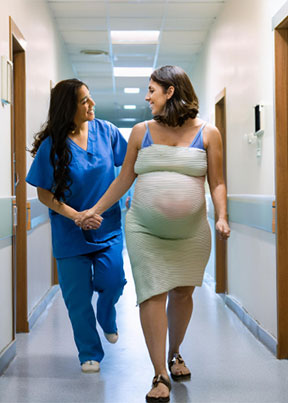
When we talk about natural birth, we mean childbirth without the use of pain-relief medication. Many women choose natural labor because they want to experience the process of childbirth fully, without intervention. Others prefer natural birth due to concerns about the potential side effects of medical pain relief or to stay in control of their bodies throughout the delivery process
Benefits of Natural Birth
-
Complete awareness and involvement:
You’ll be fully present and aware of every moment, without feeling the effects of medication.
-
Freedom to move:
Without an IV or monitor, you can move freely, which can be helpful in managing labor pain and may even help labor progress more quickly.
-
No medical intervention:
For women who prefer a more holistic or low-intervention approach, natural birth is an appealing option.
-
Sense of accomplishment:
Many women report feeling empowered after a natural birth appreciating their body's ability to bring a baby into the world.
-

Challenges of Natural Birth
-
Pain intensity:
The most obvious downside is the pain. Contractions can be intense, especially in longer labors, and while techniques like breathing and movement help, they don’t eliminate the pain.
-
Energy drain:
If labor is prolonged, managing the pain without medication can become exhausting. Fatigue can make it harder to cope, which is why it’s essential to have a solid plan for support during labor.
-
Unpredictability:
You may start labor with a clear plan for natural birth, but every labor is different. It’s okay to be flexible and open to interventions if your birth plan needs to change.
What is an Epidural?
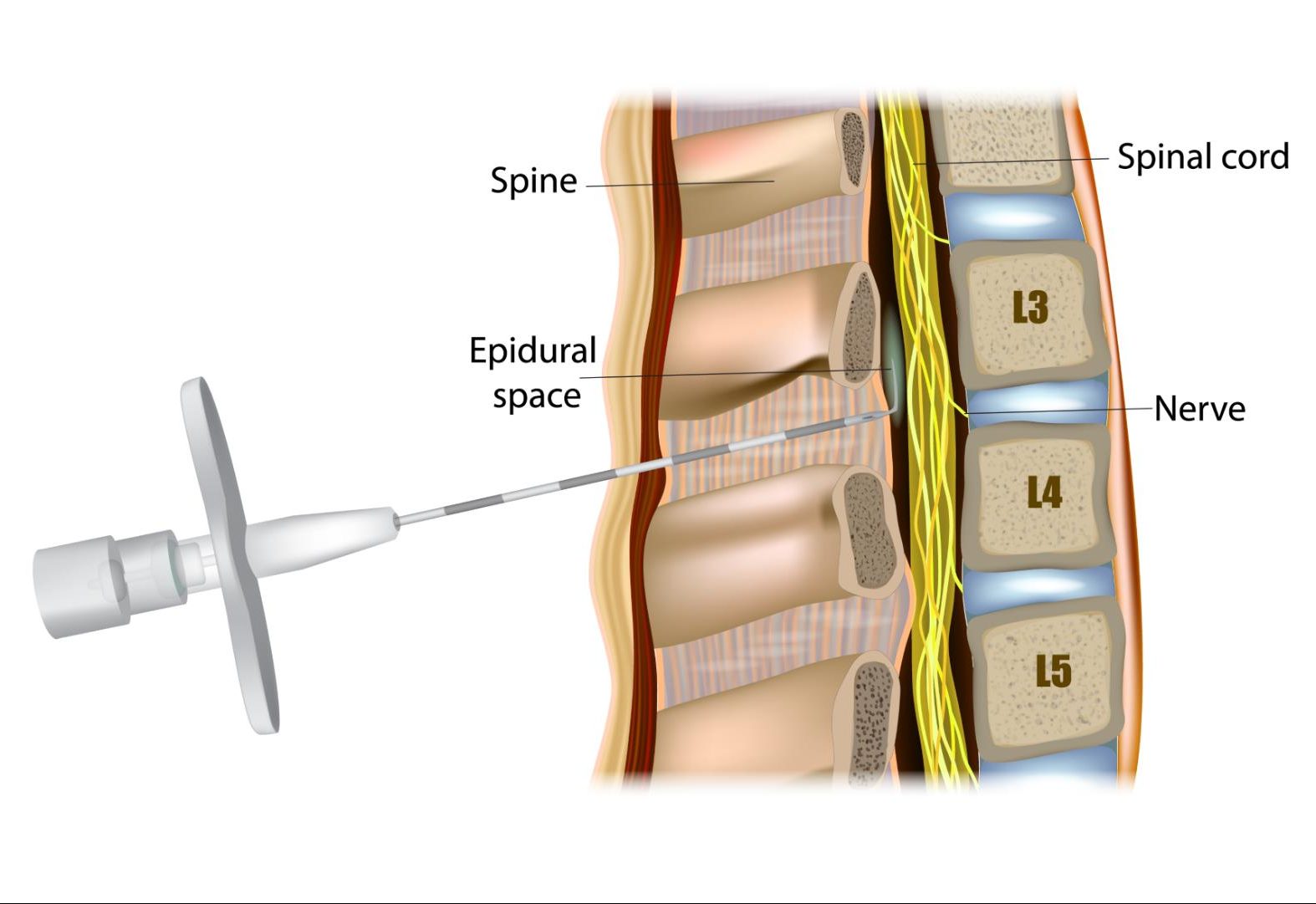
An epidural is the most commonly used form of pain relief during labor in hospitals. It involves injecting medication through a catheter placed in the lower back, numbing the lower half of your body while keeping you awake and alert.
goes here. Edit or remove this text inline or in the module Content settings. You can also style every aspect of this content in the module Design settings and even apply custom CSS to this text in the module Advanced settings.
Benefits of an Epidural
-
Effective pain relief:
One of the most significant advantages is the near-complete pain relief it offers, allowing you to rest and relax, especially during a long labor.
-
Adjustable dosage:
The amount of medication can be tailored, allowing you to feel some sensations (such as the pressure of contractions) or provide more numbness as needed.
-
Allows for rest:
Many women find that the pain relief from an epidural gives them the opportunity to rest, conserving energy for the final stage of labor and delivery.
-
Reduces anxiety:
The fear of labor pain can be overwhelming, and an epidural can help manage that anxiety, allowing you to focus on the joy of meeting your baby.
Challenges of an Epidural
-
Limited mobility:
Once the epidural is in place, you’ll likely need to stay in bed for the rest of labor since your lower body will be numb.
-
Risk of side effects:
Some women experience side effects, such as itching, nausea, or a drop in blood pressure. In rare cases, an epidural can cause more severe complications, like a spinal headache or nerve damage.
-
Potential for labor to slow:
In some cases, an epidural can slow labor, which may lead to the need for interventions like Pitocin to help stimulate contractions.
-
Effective pain relief:
One of the most significant advantages is the near-complete pain relief it offers, allowing you to rest and relax, especially during a long labor.
-
Adjustable dosage:
The amount of medication can be tailored, allowing you to feel some sensations (such as the pressure of contractions) or provide more numbness as needed.
-
Allows for rest:
Many women find that the pain relief from an epidural gives them the opportunity to rest, conserving energy for the final stage of labor and delivery.
-
Reduces anxiety:
The fear of labor pain can be overwhelming, and an epidural can help manage that anxiety, allowing you to focus on the joy of meeting your baby.

Deciding Between an Epidural and Natural Birth
Choosing between an epidural and natural birth depends on several factors, and it’s essential to think about what matters most to you during your labor experience. Here are some considerations that can help guide your decision:
1. Pain Tolerance
Every woman’s pain tolerance is different. Some women feel comfortable managing labor pain through natural methods like breathing exercises, movement, or water therapy. Others might prefer the assurance of an epidural if the pain becomes overwhelming. Think about your typical response to pain and whether you want the option for pain relief during labor.
2. Birth Experience Preferences
If having a birth experience with minimal medical intervention is important to you, natural birth might be your ideal choice. You’ll be able to move freely, try different positions, and feel the full sensations of labor. On the other hand, if reducing pain and staying calm and rested is a higher priority, an epidural might be a better fit.
3. Flexibility in Your Birth Plan
It’s always good to remain flexible. Some women plan for a natural birth but decide to get an epidural when labor becomes more intense than expected. Others start with the intention of getting an epidural but end up delivering too quickly to receive it. Be open to adjusting your plan based on how your labor progresses.
4. Your Medical History
Your personal health history or any pregnancy complications might also affect your decision. If you have certain medical conditions, your healthcare provider might recommend one option over the other for safety reasons. It’s important to have an open conversation with your OB-GYN or midwife about what’s best for you and your baby.
5. How Long Will Labor Last?
First-time moms often have longer labors, and the length of labor can impact your pain management needs. If labor lasts longer than expected, you might become more fatigued or uncomfortable, and an epidural could provide much-needed relief.
My Perspective: What’s Right for You?
Over the years, I’ve seen women have wonderful experiences with both natural births and epidurals. Every labor is different, and there’s no “right” way to give birth. The best choice is the one that aligns with your comfort, your values, and your unique circumstances. I always encourage women to trust themselves and their bodies. Labor can be unpredictable, so it’s helpful to have a plan, but also to be flexible if things change.
Whether you go natural or choose an epidural, what matters most is that you feel supported, informed, and empowered in your decision. Childbirth is a deeply personal experience, and no matter what path you choose, it’s important to have the right people by your side—whether that’s your partner, a doula, or your medical team
FAQ
Frequently Asked Questions
Does it hurt to get an epidural for labor?
The process of placing an epidural usually involves a small pinch when the local anesthetic is injected, but the placement itself is typically not painful. Once the medication takes effect, you’ll feel numbness in your lower body, which greatly reduces or eliminates labor pain.
Can I walk with a labor epidural?
Most epidurals make it difficult to walk because they numb the lower part of your body. However, some anesthesiologists offer “walking epidurals” with a lower dose of medication, which may allow more mobility. Always check with your hospital to see if this option is available.
How long does an epidural last during labor?
An epidural can last for the duration of your labor. It is administered continuously through a catheter in your back, allowing the anesthesiologist to adjust the dosage as needed to keep you comfortable.
What are the risks of an epidural?
While epidurals are generally safe, some women experience side effects like itching, nausea, or a drop in blood pressure. In rare cases, complications like spinal headaches or nerve damage can occur. Discuss these risks with your healthcare provider to make an informed decision.
Can I still have a natural birth if I change my mind during labor?
Yes! Many women start labor with a plan for natural birth but decide to get an epidural if the pain becomes too intense. Flexibility is key—labor can be unpredictable, so it’s okay to adjust your plan.
Will an epidural slow my labor?
In some cases, an epidural can slow labor by reducing the intensity of contractions. This may lead to the use of medications like Pitocin to help stimulate labor. However, for many women, the pain relief helps them relax, which can actually help labor progress.
Does a natural birth mean I can't have any medical intervention?
Not necessarily. Some women choose natural birth without any pain medication but still opt for other medical interventions if needed, such as IV fluids or monitoring. It’s essential to create a birth plan that matches your preferences while staying open to what’s necessary for you and your baby’s health.
What if I plan to go natural but need an epidural later?
That’s perfectly fine! Many women start labor naturally and later choose an epidural for pain relief. The most important thing is your comfort and the health of your baby, so keep communication open with your medical team throughout the process.

Final Thought.....
I hope this blog helps you feel more informed and empowered about your labor pain management options. Remember, the right choice is the one that makes you feel confident, supported, and comfortable during one of the most critical moments of your life.