How to Use a Birth Ball for Pain Relief During Labor
Discover the Secret to Relieving Labor Pain with a Birth Ball! Learn how this simple tool can ease discomfort, improve fetal positioning, and keep you in control throughout childbirth. Don’t miss these essential tips and safe, easy-to-follow techniques that every mom-to-be needs
Labor can be an intense and challenging experience, but there are ways to make it more manageable! One tool that’s been gaining popularity among expecting moms is the birth ball. It’s simple, affordable, and incredibly effective at providing comfort. In fact, studies show that using a birth ball during labor can help reduce pain, shorten labor duration, and even enhance your sense of control. If you’re curious about how to use a birth ball to ease your labor pain, you’re in the right place! Let me walk you through the benefits, exercises, and tips that can make your labor experience more comfortable and empowered

What Is a Birth Ball and Why Is It Effective for Labor Pain Relief?
If you’re wondering what a birth ball is, you’re not alone! Many expectant moms ask if a birth ball is different from a regular exercise ball. The truth is, it’s the same kind of ball, but it’s used specifically during pregnancy and labor to help with comfort and positioning.
A birth ball is typically made of durable, anti-burst material, and the size of the ball can vary based on your height. It’s designed to support your weight and allow for a range of movements that can alleviate discomfort.
But why is it effective for labor pain relief? The magic lies in its ability to encourage natural movement. During labor, your body is working hard to bring your baby into the world, and using a birth ball helps open up your pelvis, relieve pressure, and get baby into an optimal position for birth.
The gentle rocking or bouncing motions you can do on the ball also help reduce the intensity of contractions by shifting your focus and making your body more relaxed. Studies have even shown that using a birth ball during labor can shorten the overall length of labor, decrease the need for pain medications, and reduce the likelihood of needing a C-section.
When you’re sitting on the ball, your hips are slightly elevated, which keeps the pelvis aligned and allows gravity to help the baby descend. Additionally, the upright posture you’re in while using the ball helps improve blood flow and oxygen to both you and the baby. Plus, the birth ball is a great tool for relieving lower back pain, which is common during labor, especially if you’re experiencing back labor due to baby’s position.

Benefits of Using a Birth Ball for Labor Pain Relief
The birth ball isn’t just a cool tool to try out during labor—it actually has some amazing benefits that can make your birthing experience more manageable. Here are a few of the major perks of using a birth ball:
-
Natural Pain Relief:
One of the best things about the birth ball is that it’s a drug-free way to manage labor pain. By allowing you to stay active and change positions easily, it helps distract from the pain of contractions and encourages relaxation.
-
Shorter Labor Time:
Who doesn’t want a shorter labor? Research suggests that moms who use a birth ball during labor may experience shorter labors compared to those who don’t. The ball encourages good fetal positioning and keeps labor progressing.
-
Reduced Back Pain:
Many women, especially those dealing with back labor, find that using a birth ball significantly reduces pressure on the lower back. The ball promotes a forward-leaning position, which helps relieve back strain.
-
Lower C-section Rate:
Since the birth ball helps with optimal fetal positioning, it can lower the chances of interventions like a C-section. When baby is in a good position, labor tends to progress more smoothly.
-
Psychological Benefits
It’s not just about physical comfort! The birth ball gives many women a greater sense of control during labor, which can reduce anxiety and help them feel more empowered throughout the process.
How to Use a Birth Ball During Labor: Essential Techniques
Using a birth ball during labor can make a huge difference in how you manage pain, pressure, and overall comfort. I was a little skeptical when I first heard about it, but let me tell you—it’s a game-changer!
The gentle movements and support the ball offers can help you feel more in control of your body. Here’s how you can use it effectively:
-
Sitting on the Birth Ball:
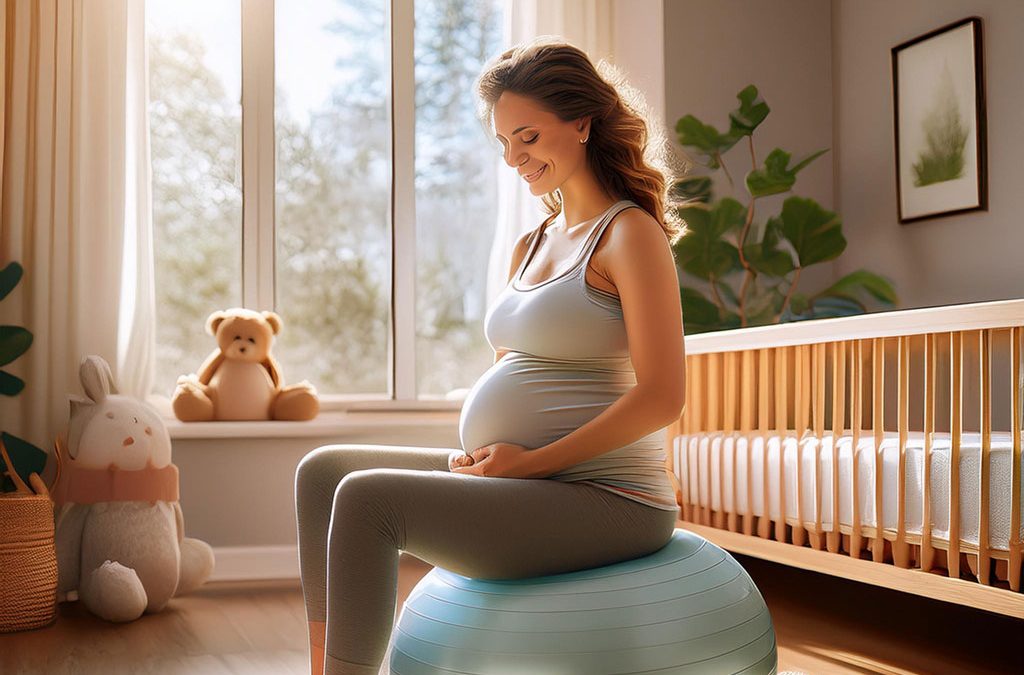
One of the simplest ways to use the ball is just to sit on it. Sounds basic, but trust me, this takes a lot of pressure off your lower back and pelvis. Just make sure your knees are slightly lower than your hips when sitting—this helps open up your pelvis and encourages baby to move into the right position.
Plus, it feels so much better than sitting on a hard chair or bed during contractions. You can gently bounce up and down if that feels good, or just sway side to side. This movement can help distract you from the intensity of contractions while keeping things moving along.
-
Leaning Over the Ball:
If you’re dealing with back labor (which can be brutal, by the way), try kneeling and leaning forward over the ballI hile you’re on your hands and knees.
This position is a lifesaver! It takes the pressure off your spine and allows your partner to easily give you a back massage (which, let’s be honest, is never a bad idea). You can also rock forward and backward or side to side.
The gentle motion really helps with managing contractions and can even help baby rotate into a better position for delivery. It’s a double win!
-
Rocking on the Ball:
Gentle rocking motions are key when you’re trying to relax and cope with labor pain. Sitting on the birth ball, you can rock your hips in a circular motion or in figure eights. This movement helps to loosen the pelvis and lower back, which is critical for easing tension during contractions.
Plus, the rhythmic motion can have a soothing effect on your mind, helping you to stay focused and calm.The rocking like this helped you feel more connected to your body during labor—like you are actively working with the process ainstead of just waiting for the next contraction to hit.
-
Using the Ball While Standing:
You don’t have to sit on the ball the entire time. You can also stand up and lean against the ball on a bed or table. This is especially helpful when you need to change positions but still want the support and mobility the ball provides.
You can allow gravity to work in your favor by leaning forward, helping baby descend. You might also try gently bouncing your hips while standing—it’s amazing how such a small movement can make a big difference in how you feel.
-
Incorporating the Ball with an Epidural:
Even if you’ve had an epidural, you can still benefit from a birth ball. Just be very careful becuase you do not have full control of your legs and lower body. Your partner or a nurse is mandatory to help position you safely.
Sitting on the ball can keep your pelvis open and aligned, which is important for labor progress even when you’re numbed from the waist down.Again, be sure to have someone close by to support you, as you won’t have full control of your legs.
Some hospitals even offer special peanut-shaped balls designed for use while lying in bed after an epidural—these can be placed between your knees to maintain optimal positioning.


Safety Tips When Using a Birth Ball During Labor
Safety is always a priority, especially when it comes to labor. Although using a birth ball is generally safe, here are a few tips to keep in mind to ensure you’re using it correctly:
-
Choosing the Right Size
Your birth ball should be the right size for your height. As a general rule, if you’re under 5’4”, go for a 55 cm ball. If you’re between 5’4” and 5’10”, a 65 cm ball works best, and if you’re taller than 5’10”, you’ll want a 75 cm ball. Your hips should be slightly above your knees when sitting.
-
Proper Inflation:
Make sure the ball is inflated enough so it’s firm but still gives a little when you sit on it. An under-inflated ball can be unstable, and an over-inflated one may not provide enough support.
-
Stable Surface:
Always use the birth ball on a stable, non-slippery surface, especially if you’re at home. If you’re in a hospital, ask for help from a nurse or partner to make sure the ball stays steady.
-
Avoid Overexertion:
As much as the birth ball can help, listen to your body. Don’t push yourself to use it constantly if you’re feeling tired. It’s fine to take breaks and change positions as needed.
-
Have Support Nearby:
Especially in later stages of labor, you might feel unsteady on the ball, so make sure you have your partner or a support person nearby to assist you.
Incorporating these exercises into your routine during pregnancy can improve flexibility, strength, and overall comfort as you prepare for labor.
Birth Ball Size Selection
Patient Height |
Corresponding Birth Ball Size |
|---|---|
Under 5’4″ |
55 cm |
5’4″ to 5’10” |
65 cm |
Over 5’10” |
75 cm |
Final Takeaways on Birth Ball Benefits for Labor Pain
Using a birth ball during labor is a simple, yet incredibly effective tool for managing labor pain. It offers natural relief, improves fetal positioning, and allows you to stay active and in control during contractions. Whether you’re gently bouncing or leaning over it, the birth ball helps reduce back pain and encourages labor to progress smoothly. If you’re looking for a safe, drug-free way to ease labor pain and support your body’s natural process, a birth ball is your go-to solution. Trust me, you’ll be glad you gave it a try!
FAQ
Frequently Asked Questions
Can I use a birth ball if I have an epidural?
If you’ve received an epidural and are considering using a birth ball, it’s crucial to exercise great caution, as you may experience reduced strength and control in your legs. Always have a supportive partner or nurse by your side to help with positioning and adjustments, ensuring you remain steady and safe while on the ball.
This support is especially important since you won’t have full mobility; using the birth ball can still be beneficial for keeping your pelvis aligned and encouraging labor progress, but safety should always come first.
When should I start using a birth ball during pregnancy?
You can start using a birth ball as early as the second trimester. Many women find it helps relieve lower back pain, improve posture, and strengthen pelvic muscles. It’s also great for gently preparing your body for labor, especially if you incorporate it into your prenatal exercise routine. By the third trimester, it can help with baby’s positioning and make you more comfortable overall.
What size birth ball is best for labor?
The right size depends on your height. If you’re under 5’4”, a 55 cm ball is typically recommended. For those between 5’4” and 5’10”, a 65 cm ball works well, and if you’re taller than 5’10”, opt for a 75 cm ball. When sitting on the ball, your knees should be slightly lower than your hips for optimal comfort and support.
Is it safe to use a birth ball at home during early labor?
Absolutely! Many women use a birth ball at home during early labor to help manage contractions and stay comfortable. The ball allows you to move, rock, and change positions easily, which can encourage labor to progress. Just make sure you’re using the ball on a stable, non-slip surface and have someone around to support you if needed.
Can using a birth ball shorten labor?
Yes, research suggests that using a birth ball can help shorten labor. The ball encourages movement, which promotes better fetal positioning and keeps labor progressing. In fact, some studies have shown that moms who use a birth ball may have shorter labor durations and are less likely to need medical interventions.
Can I use a birth ball during a C-section recovery?
Yes, a birth ball can be helpful during postpartum recovery, including after a C-section. Once your healthcare provider gives you the green light, sitting on the ball can help improve posture, relieve lower back pain, and strengthen core muscles. Just be sure to move gently and listen to your body as you recover.
How do I clean and maintain my birth ball?
Keeping your birth ball clean is simple. Wipe it down with a mild soap and water solution or use a gentle disinfectant. Avoid harsh chemicals that could degrade the material. Check the ball for any signs of wear and tear regularly, and keep it properly inflated to ensure it remains sturdy and supportive..
8. Can I use a birth ball in the hospital during labor?
Most hospitals are very accommodating and even provide birth balls for laboring moms. However, it’s always a good idea to check with your hospital beforehand to see if you need to bring your own. If you’re using the ball in the hospital, nurses or doulas can help you with positioning and making sure the ball is stable for your comfort.
Does the birth ball help with back labor?
- Yes, a birth ball is especially helpful for relieving back labor pain. Leaning forward on the ball while on your knees or rocking your hips in circular motions can take pressure off your spine and help your baby rotate into a better position. Back labor can be intense, but the birth ball’s ability to support a forward-leaning position is a big relief for many women.

Final Thought…..
A birth ball is not only easy to use but highly effective for managing labor pain, especially back labor. Its gentle movements help relieve pressure, improve baby’s positioning, and offer natural comfort. It’s one of the few tools that consistently provides relief during challenging back labor, making it invaluable..